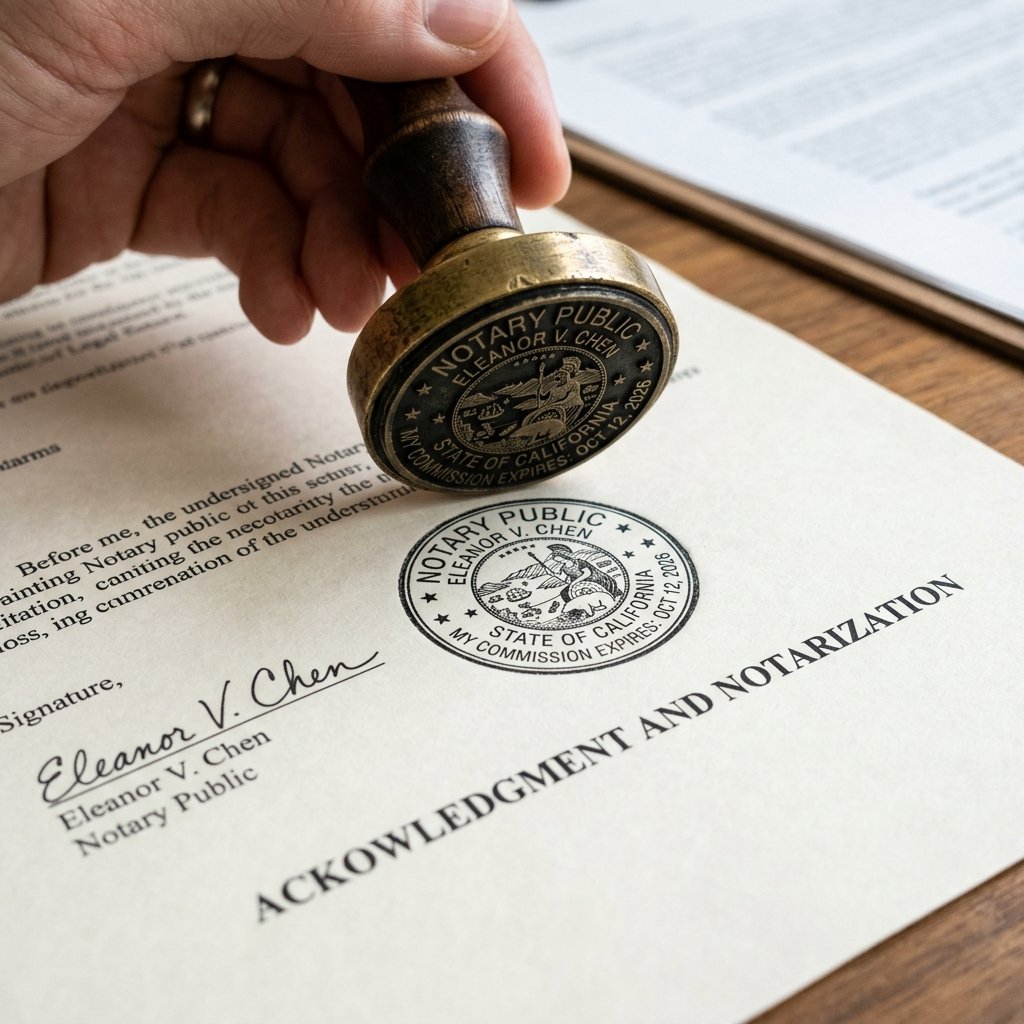
The term 'notary public' gets used a lot, but most people have only a vague understanding of what they actually do. They stamp things, right? Sort of. But the stamp is the least important part.
The Core Function: Identity Verification and Fraud Prevention. At its foundation, a notary public is an official witness. Their primary job is to verify the identity of the signer and confirm the signature was made voluntarily.
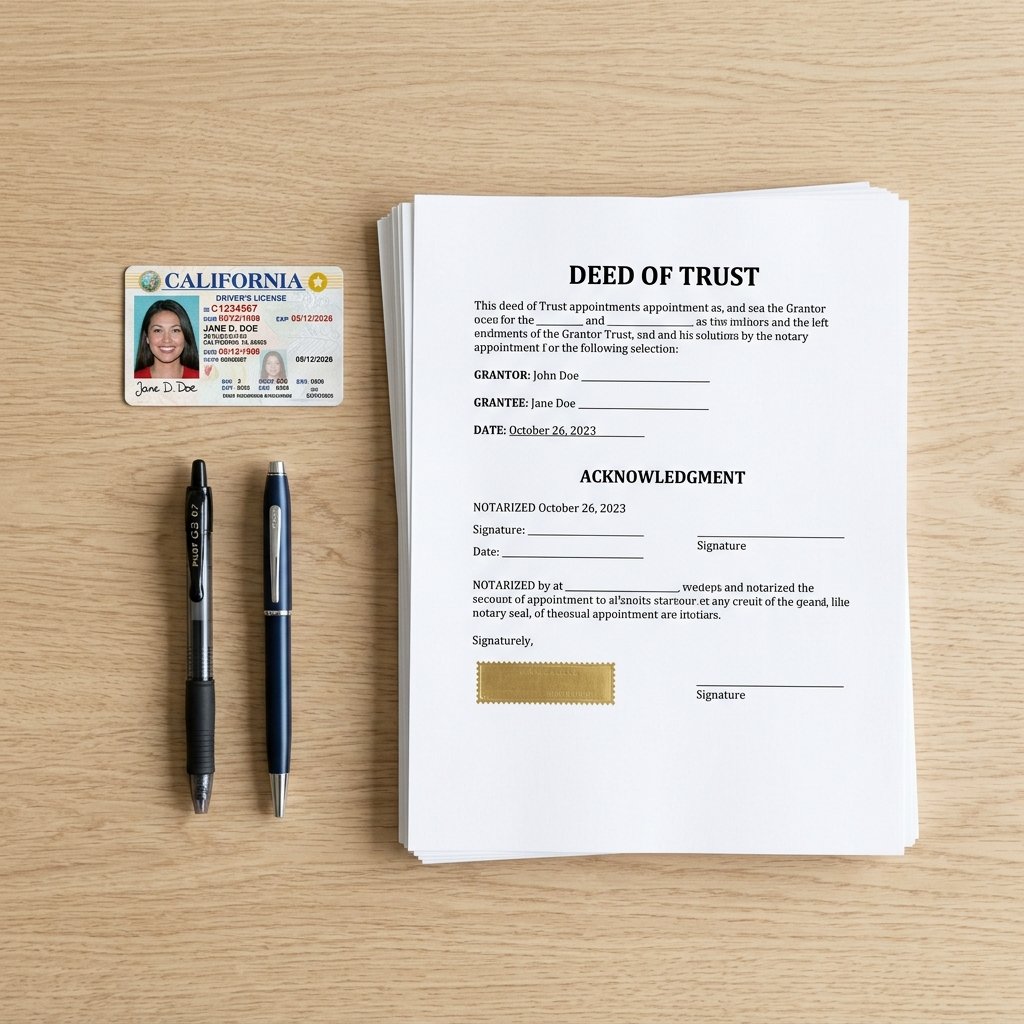
A notary attest to: The signer appeared in person, identity was verified via government ID, the person understood what they were signing, and they signed freely without coercion.
Important: A notary seal does not certify that the content is accurate, legal, or fair. It only certifies the authenticity of the signature.
What a Notary Can Do: Witness signatures, administer oaths and affirmations, take acknowledgments, certify true copies, and perform jurats. Remote Online Notaries (RON) can even perform these acts via video conference.
What a Notary Cannot Do: A notary public is not a lawyer. They cannot provide legal advice, explain what a document means legally, tell you whether you should sign, or draft legal documents themselves.
Notary vs. Notary Signing Agent: A general notary can witness a wide variety of documents. A Notary Signing Agent (NSA) has additional specialized training specifically to handle complex real estate loan packages.
My Signing Solutions works exclusively with trained, background-checked agents to ensure every signing is handled professionally and correctly.